French | My Recipes | Sides
Creamy Polenta · Simple, Real, and Worth the Time
Real polenta takes a little time, but that’s what makes it good. As it cooks slowly, the cornmeal softens and thickens, turning into something creamy, rich, and deeply satisfying. The texture has weight to it, smooth but with a little bite, the kind you only get when it’s stirred by hand.
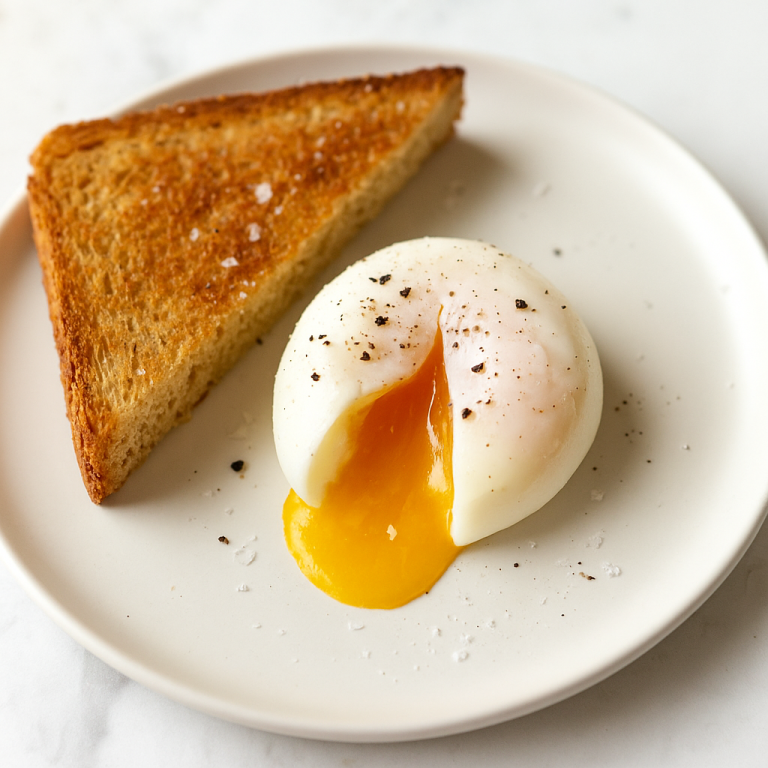
This is the version I make when I want food that feels real. A base that makes everything better without drawing attention to itself. Spoon a braised meat, a few mushrooms, or a poached egg over it, and it all comes together. The ingredients are simple, but time turns them into something you can taste.


Creamy Polenta · Simple, Real, and Worth the Time
Slow-cooked cornmeal with butter and Parmesan. Smooth, rich, and perfect as a base or on its own.
Ingredients
Method
- Bring stock and 1 teaspoon salt to a boil in a heavy saucepan.
- Slowly pour in the polenta while whisking to keep it smooth.
- Lower heat to the gentlest simmer. Stir every few minutes for the first 5 minutes.
- Cover halfway and cook for 30 minutes, stirring every 5 to 6 minutes. Switch to a wooden spoon once it thickens.
- When the polenta is creamy and tender, remove from heat. Stir in 2 tablespoons butter and all the Parmesan.
- Let it rest for 5 minutes, then stir again before serving. Top with the remaining butter, a little cheese, and black pepper.
Notes
Use coarse or medium-grind polenta — never instant. The texture depends on the grind. Coarse gives more bite and a rustic feel, while medium stays silky and smooth.
Stock makes all the difference. Water works, but it won’t give you the same depth or savory richness. Keep a little extra warm on the stove to loosen the polenta if it tightens too much as it cooks or sits.
The key is low heat and patience. Stir often enough to keep it from sticking, but don’t overwork it. Polenta thickens gradually; give it time to develop its texture. It should pour like thick cream, not sit up like paste.
Once it’s cooked, it stays warm for about an hour if covered. Stir occasionally and add a splash of stock to keep it loose. Any leftovers will firm up beautifully in the fridge — slice them and fry the next day for crisp golden edges.
Polenta is the blank canvas of the kitchen. It pairs perfectly with braised short ribs, osso buco, or coq au vin, soaking up every drop of sauce. It also shines under sautéed mushrooms with herbs, a poached egg, or a spoonful of ratatouille. Simple, rich, and endlessly flexible.